UK Minister Outlines Strategy Against Unlicensed Gambling Promotions in Parliamentary Session

Baroness Twycross addressed the House of Lords Liaison Committee in June 2026 and placed emphasis on efforts to restrict illegal gambling advertising as a core government objective. She explained that such measures aim to safeguard the licensed market while supporting tax collection and reducing the risk of consumers moving toward unregulated platforms. The minister made clear that current priorities center on enforcement rather than new rules for compliant operators.
Details from the Committee Appearance
During her remarks, Baroness Twycross who leads the Illegal Gambling Taskforce described ongoing work with digital platforms, the Advertising Standards Authority, and additional partners to identify and limit promotions from unlicensed sources. She stated there are no immediate plans to introduce further advertising legislation aimed at the licensed sector, noting instead that existing frameworks continue to receive attention through targeted enforcement actions. Committee members heard that collaboration across these groups forms the main approach for addressing unauthorized promotions that appear online.
Evidence presented during the session highlighted how illegal advertising can divert activity away from regulated channels where consumer protections and tax obligations apply. Baroness Twycross pointed to the taskforce role in coordinating responses that involve multiple stakeholders and that focus on practical steps such as content removal and platform accountability. Those present received updates on progress without any indication of upcoming statutory changes for operators already meeting licensing standards.
Industry Context and Related Pressures
The comments occurred against a backdrop of increased financial obligations for remote gaming companies including a 40 percent remote gaming duty that took effect earlier in the year. Industry representatives have noted that these costs alongside other regulatory adjustments create additional operating challenges for licensed firms. Baroness Twycross acknowledged these factors while reiterating that enforcement against illegal advertising remains separate from any review of rules governing compliant businesses.
According to coverage from SBC News, the minister positioned the taskforce activities as an active response to market threats rather than a signal of broader legislative overhaul. Observers at the session reported that discussions stayed focused on protecting revenue streams and maintaining clear distinctions between authorized and unauthorized operators.
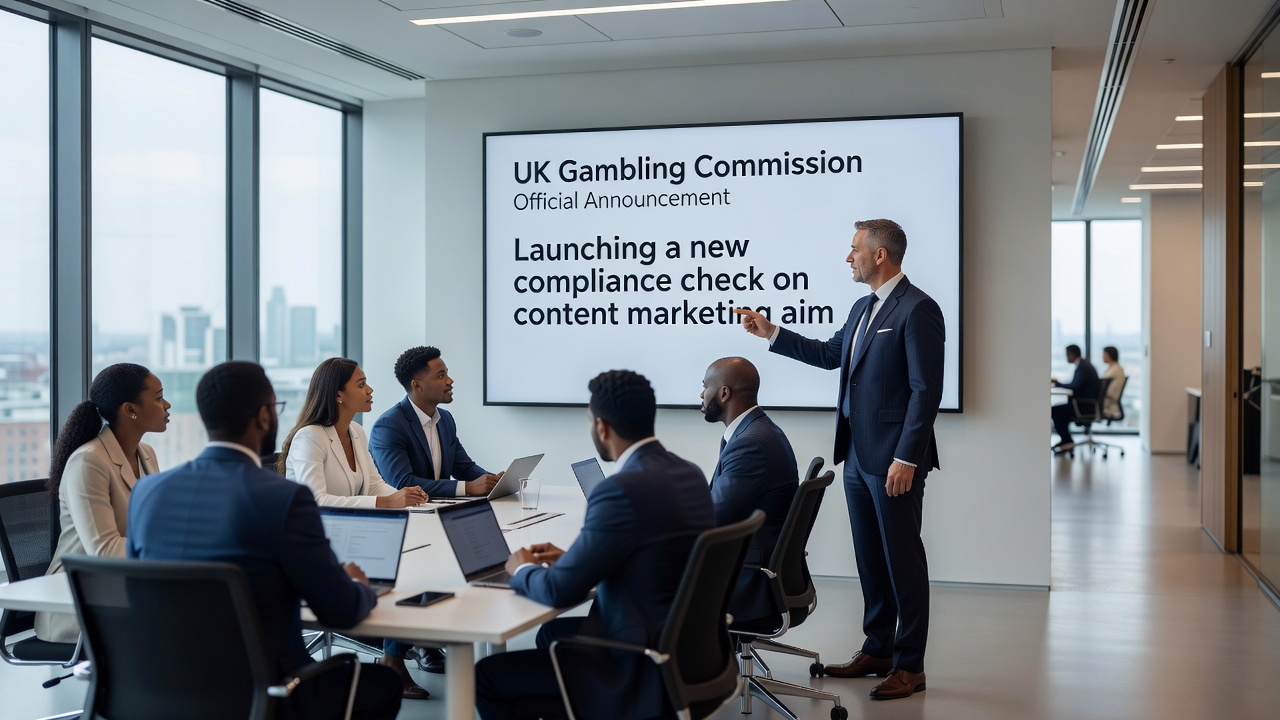
Data shared in related government briefings shows continued monitoring of advertising trends across digital channels with particular attention to social media and search engine results. The taskforce has established regular contact points with major platforms to facilitate quicker identification of non-compliant material. Such steps align with wider objectives around consumer protection without altering the regulatory environment for those already licensed.
Taskforce Operations and Stakeholder Engagement
The Illegal Gambling Taskforce operates under Baroness Twycross leadership and maintains direct lines of communication with technology companies and advertising oversight bodies. Updates provided to the committee described routine exchanges that allow for rapid assessment of emerging promotional tactics used by unlicensed entities. These interactions have produced documented cases of content removal across multiple sites and applications since the taskforce formation.
Engagement extends beyond enforcement to include guidance for platforms on recognizing indicators of illegal activity. Baroness Twycross noted that consistent dialogue helps prevent consumers from encountering promotions that bypass standard age and location checks required in the licensed market. Committee records indicate that future reports from the taskforce will continue to track these collaborative outcomes.
Next Steps and Ongoing Monitoring
Following the session, officials confirmed that the government will maintain its current stance of prioritizing illegal advertising enforcement while evaluating impacts from the remote gaming duty and other recent adjustments. No timeline was offered for potential policy reviews affecting licensed operators. Stakeholders across the sector now await further taskforce publications that will detail additional enforcement metrics and platform responses.
International examples from bodies such as the OECD regulatory policy network illustrate similar approaches in other jurisdictions where enforcement partnerships have reduced visibility of unauthorized promotions. UK officials have referenced these models when describing coordination methods used domestically.
Conclusion
Baroness Twycross presentation to the House of Lords Liaison Committee clarified government intentions around illegal gambling advertising without signaling immediate legislative expansion for the licensed market. The Illegal Gambling Taskforce continues its work through established partnerships with platforms and the Advertising Standards Authority while the sector adjusts to new duty rates and regulatory expectations. Future updates from these efforts will provide further details on enforcement outcomes and market effects observed through 2026 and beyond.