Tracing the Evolution of Cross-Platform Reward Integration in Portable and Live Gaming Systems
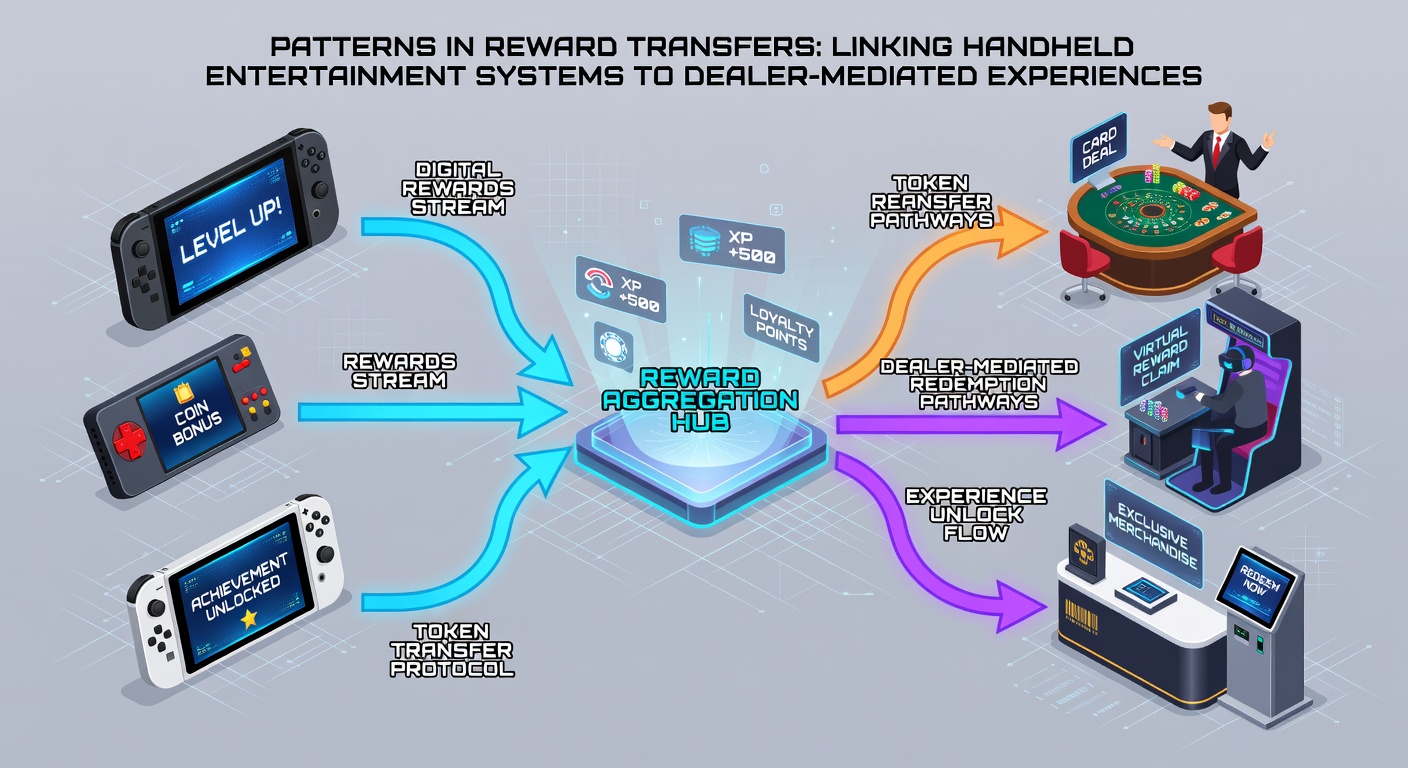
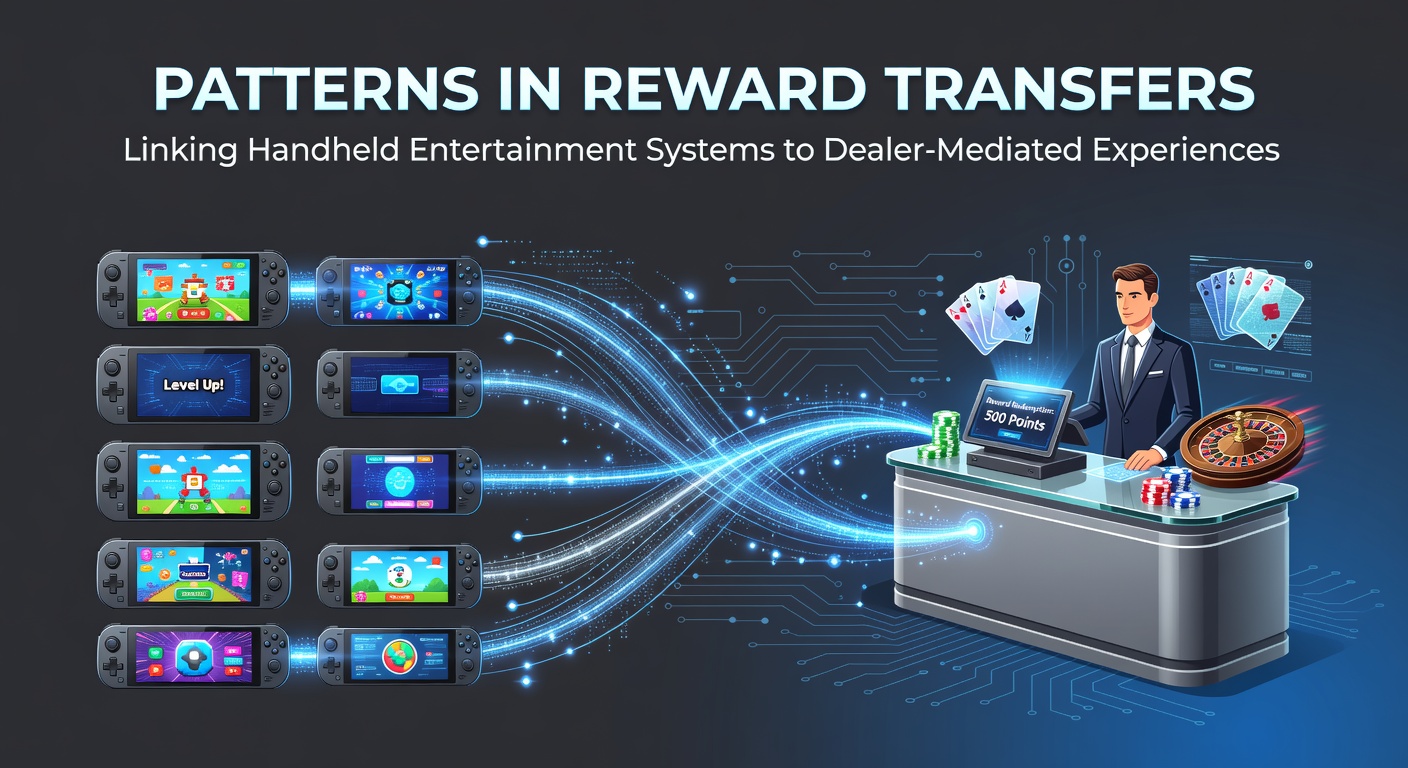 Observers note that reward structures in digital gaming environments have developed distinct transfer mechanisms over recent years, allowing incentives initiated on handheld devices to transition into live dealer sessions. These patterns rely on synchronized payment networks and bonus protocols that track user activity across formats, with data compiled in May 2026 indicating increased adoption of unified wallet systems among operators. Research from the Canadian Gaming Association highlights how mobile slot bonuses frequently route through instant transfer protocols to activate live table features, creating sequential reward chains. The process begins with reel-based spins on portable systems, where accumulated credits or multipliers convert via API-linked financial rails into credits usable at dealer-mediated tables. This integration reduces friction in player journeys while maintaining separate ledgers for each game category. Payment innovation has accelerated these connections, with digital wallet providers embedding conditional triggers that detect when mobile rewards reach threshold levels. Once activated, the system prompts an automated shift to live environments, where the original bonus value applies to games such as blackjack or roulette under predefined multiplier rules. Industry reports show that such routing occurs within milliseconds on compliant platforms, supported by standardized protocols from organizations like the International Gaming Standards Association.
Technical Foundations of Reward Routing
Engineers have mapped several recurring patterns in how value moves between device types. One common structure involves cascading multipliers: a mobile spin generates a base reward that carries an attached flag, which then doubles or triples when applied in a live dealer round. Another pattern uses staged releases, where portions of a handheld bonus unlock progressively as the user engages dealer tables within a set timeframe.
These mechanics depend on backend databases that log every transfer event, allowing operators to audit sequences for compliance. According to studies published through the Australian Gambling Research Centre, platforms employing these methods report higher retention metrics because players encounter fewer manual steps when moving between game types. The underlying technology relies on tokenization, where reward identifiers travel alongside financial data without exposing full account details.
Regional Variations in Implementation
European operators have adopted different variations compared with North American counterparts. In regions overseen by bodies such as the Malta Gaming Authority, reward transfers must include explicit consent checkpoints before crossing from mobile to live formats. Data collected through 2026 demonstrates that these checkpoints appear in roughly 78 percent of integrated systems, reducing unintended bonus leakage across categories.
North American markets, by contrast, emphasize velocity in transfers, with several state-licensed platforms deploying near-instant reconciliation tools. Observers note that these tools often incorporate geofencing to ensure transfers remain within approved jurisdictions, while still permitting seamless movement between handheld and dealer-mediated play. The result is a layered architecture where technical speed coexists with regulatory checkpoints.
Data Patterns and System Performance
Analytics platforms tracking these flows reveal consistent seasonal spikes, particularly around promotional periods when mobile bonuses expand in volume. Figures released by the National Council on Problem Gambling indicate that reward transfer events increased by approximately 34 percent between early 2025 and May 2026 across monitored networks. Most sequences complete without manual intervention, though a small percentage require player confirmation when value thresholds exceed operator-defined limits.
Case examples from integrated operators show that players who complete a mobile-to-live transfer sequence often continue engagement for longer sessions than those using single-format play. The patterns themselves remain stable across different software providers because they rest on shared technical standards rather than proprietary inventions. This standardization allows smaller developers to participate in the same reward ecosystems as larger groups.
Conclusion
Patterns in reward transfers between handheld entertainment systems and dealer-mediated experiences continue to evolve through incremental technical refinements rather than wholesale redesigns. Current implementations demonstrate how payment networks, bonus protocols, and regulatory frameworks intersect to create functional pathways that operate at scale. As new data emerges from industry monitoring bodies, these connections are expected to incorporate additional security layers while preserving the speed that supports cross-format play. The underlying structures remain grounded in measurable transaction logs and standardized interfaces that multiple jurisdictions can verify independently.