Streamlined Mobile Navigation Converting Promotional Credits into Live Table Wins
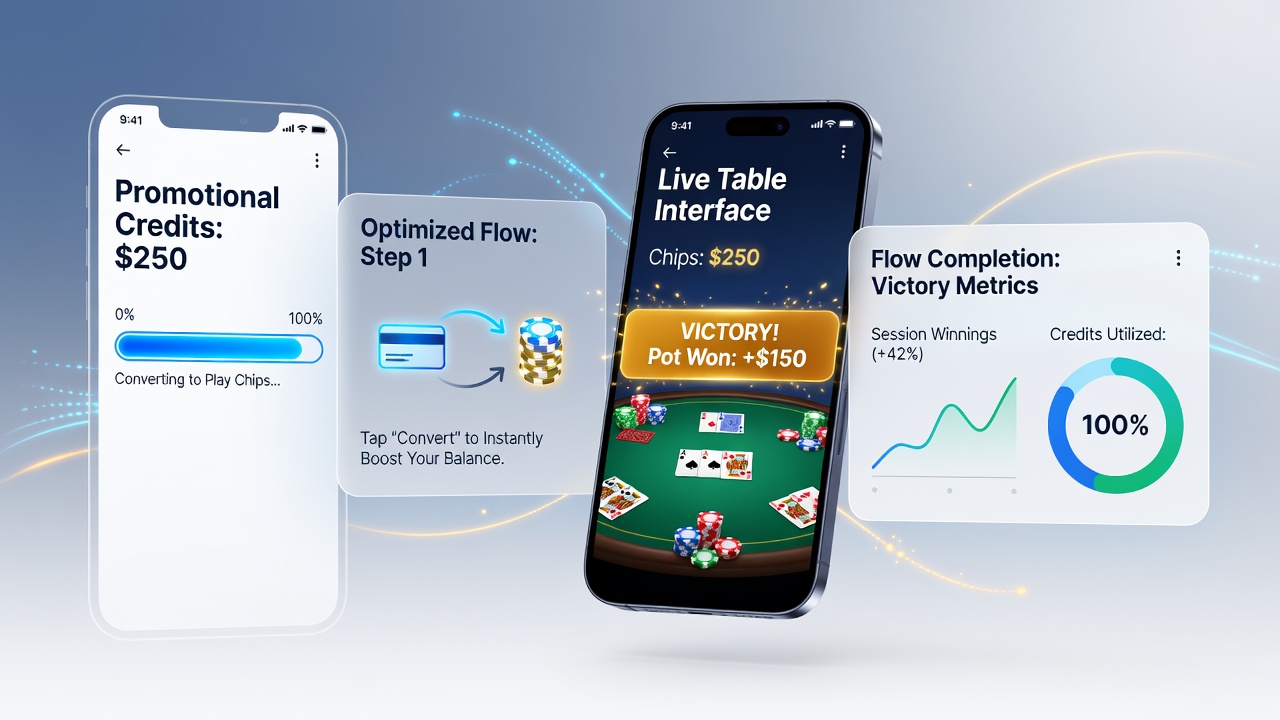
App navigation flows in gaming platforms rely on structured user pathways that guide players from promotional credit activation directly into live table environments, and these designs incorporate menu hierarchies along with gesture-based controls that reduce friction during transitions. Researchers at the International Gaming Institute have documented how linear credit redemption sequences combined with contextual prompts allow users to maintain session continuity while moving between bonus wallets and dealer-hosted games.
Core Components of Navigation Architecture
Optimized interfaces feature persistent bottom navigation bars that display credit balances alongside quick-access icons for live dealer lobbies, while swipe gestures enable rapid switching between slot sections and table game categories. Data from industry reports indicates that applications employing progressive disclosure techniques present only essential options at each stage, which helps users complete credit-to-game journeys without encountering redundant confirmation screens.
Developers integrate real-time balance updates into header elements so that promotional credit deductions appear instantly upon selection of a live table, and this synchronization prevents confusion during high-volume sessions. Studies conducted across multiple platforms reveal that color-coded progress indicators further assist users in tracking steps from credit claim through table entry, resulting in measurable reductions in drop-off rates at intermediate screens.
Sequential Flows from Credit Activation to Table Entry
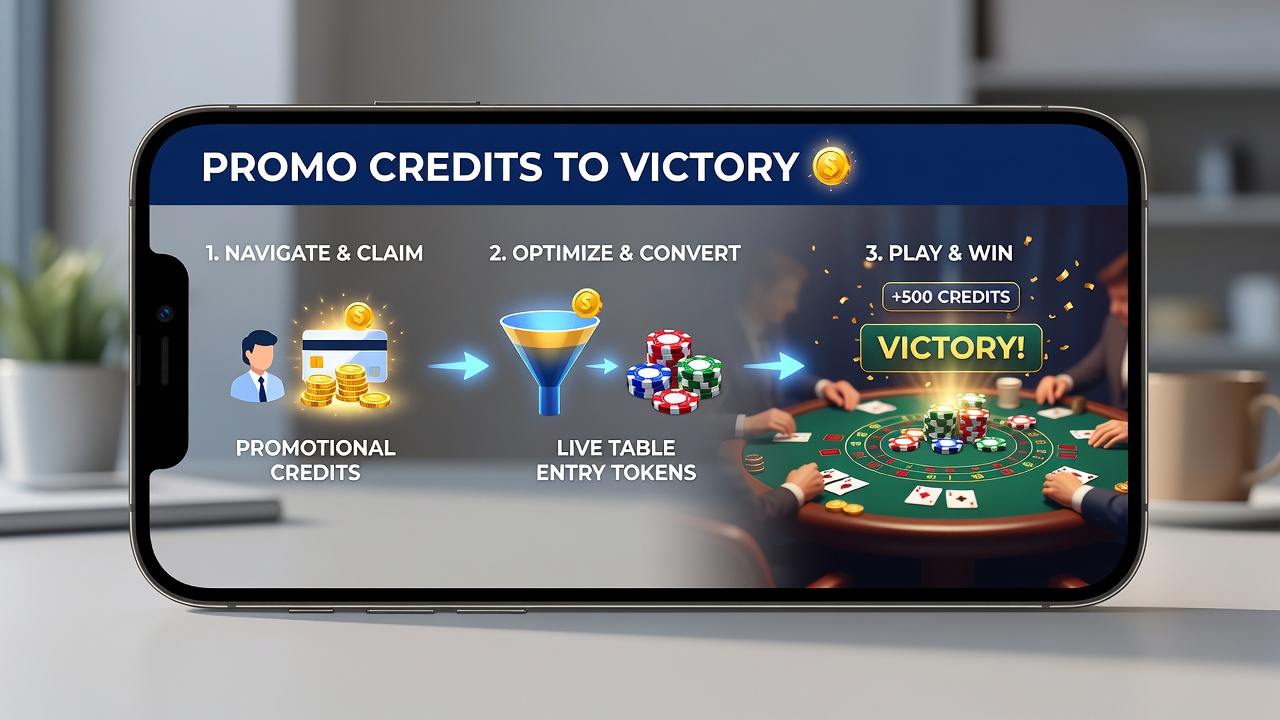
Typical pathways begin with a dedicated promotions tab that surfaces available credits, followed by one-tap redemption buttons that automatically populate the live games filter with eligible tables. Once credits transfer to an active balance, the interface redirects users to a curated lobby view highlighting blackjack, roulette, and baccarat options that accept the specific promotional type. Observers note that breadcrumb trails remain visible throughout this sequence, allowing immediate return to prior screens if adjustments become necessary.
Push notifications triggered upon credit activation contain deep links that open the app directly at the live table selection stage, and this mechanism bypasses multiple menu layers for returning users. Figures from a 2025 University of Nevada Las Vegas analysis show that such direct-link implementations increased completion rates for credit-to-game transitions by integrating session tokens that preserve user authentication state across screens.
Interface Optimizations Supporting June 2026 Updates
Platform enhancements scheduled for rollout in June 2026 introduce adaptive navigation that adjusts menu layouts based on individual usage patterns, prioritizing live table categories for users who frequently redeem promotional credits. These updates incorporate voice-command shortcuts for balance checks and table joins, reducing reliance on touch inputs during multitasking scenarios. Reports from the North American Association of Gaming Regulators highlight that similar adaptive systems in other regions have produced consistent improvements in task efficiency metrics.
Touch-target sizing follows established accessibility guidelines to accommodate varied device orientations, while dynamic loading sequences minimize wait times between credit verification and table connection. Experts tracking these developments point out that integrated search functions within live lobbies enable filtering by minimum bet requirements or dealer language, streamlining the final steps of credit utilization.
Performance Metrics and User Pathway Analysis
Analytics platforms record average completion times for credit-to-live-table flows at under 45 seconds when optimized navigation elements remain in place, whereas fragmented designs extend this duration significantly. A research paper published by the Canadian Centre for Gaming Research in early 2026 examined over 200 mobile applications and found that those employing unified credit displays across all sections achieved higher retention through the live game entry point compared with segmented wallet views.
Heatmap data collected from session recordings demonstrates concentrated user attention on central navigation hubs that consolidate promotional offers with live table previews, and this concentration correlates with elevated conversion from credit balance to active table participation. Developers continue refining these hubs through A/B testing cycles that isolate variables such as icon placement and transition animations.
Conclusion
Effective app navigation flows depend on interconnected design choices that align promotional credit mechanics with live table access points, and ongoing refinements scheduled through 2026 continue to emphasize speed alongside clarity in these pathways. Organizations monitoring mobile gaming interfaces document steady evolution in these systems as platforms respond to usage data and regulatory expectations from multiple jurisdictions.