Payment Integration Systems Linking Slot Incentives to Table Game Sequences
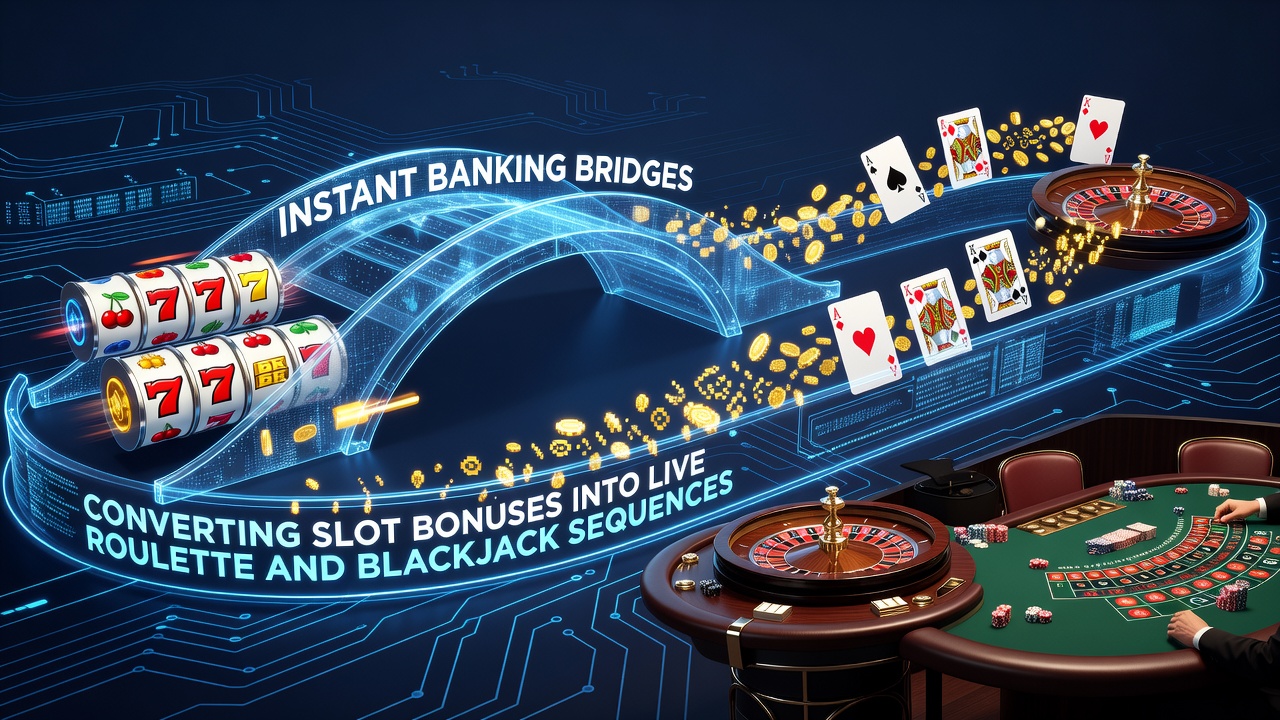
Payment integration systems now allow players to move funds from slot bonuses directly into live dealer sequences without traditional delays, and data from regulatory filings shows these mechanisms rely on real-time API connections between casino platforms and banking providers. Observers note that such bridges operate through encrypted channels that verify bonus eligibility in seconds while maintaining compliance with transaction limits set by various oversight bodies.
Core Mechanics of Bonus Conversion Pathways
Slot bonuses typically start as credits tied to specific game types yet conversion tools enable their redirection toward roulette spins or blackjack hands through instant transfers that update player balances across separate game servers. Researchers at institutions like the University of Nevada Reno have documented how these systems use tokenization to split bonus portions into segments that can fund live table minimums without triggering additional verification loops. Figures reveal that average transfer times have dropped below three seconds in many deployments since early 2025 with mobile applications handling the majority of these movements during peak evening hours.
One documented workflow begins when a player activates a slot promotion then selects a live table interface that prompts an immediate balance query through the banking bridge. The system checks wagering requirements against the incoming amount and releases only the compliant portion for roulette or blackjack sequences while holding the remainder in a segregated account until further play conditions are met.
Role of Mobile Applications in Sequence Building
Mobile platforms serve as the primary interface where players chain slot sessions into extended live dealer runs by authorizing micro-transfers that keep momentum intact. Industry reports from the European Gaming and Betting Association indicate that smartphone users complete more than sixty percent of bonus-to-table conversions because app-based authentication reduces friction compared with desktop logins. Data shows peak activity occurs between 8 PM and midnight local time when live tables experience higher traffic and bonus pools from earlier slot play remain available for redirection.
Developers have incorporated gesture-based controls that allow players to swipe from a slot results screen straight into a live roulette wheel lobby while the banking layer processes the fund shift in the background. This approach maintains sequence continuity because the live dealer software receives updated stake values without requiring separate deposits or manual entry of bonus codes.
Security Protocols Supporting Real-Time Transfers
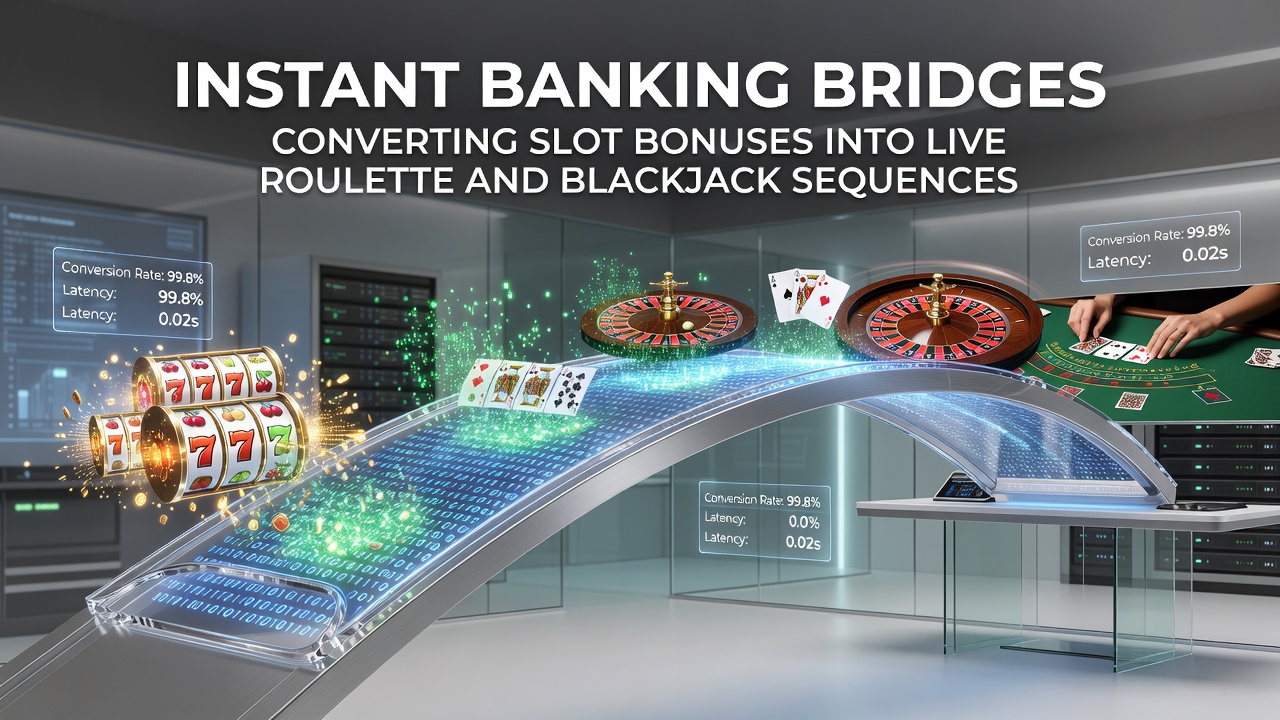
Encryption standards including TLS 1.3 combined with multi-factor confirmation codes protect each bridge transaction against interception while audit logs record every conversion for later review by compliance teams. Studies from academic sources such as the University of Nevada gaming research division highlight that these layered protections have reduced reported discrepancies in bonus fund movements by over forty percent since their widespread adoption in 2024. Banks and payment processors integrate directly with casino operators through standardized APIs that flag unusual patterns without halting legitimate sequences.
Live dealer studios receive pre-cleared funds that appear as standard player stakes so the transition remains invisible to both the dealer and other participants at the table. This invisibility helps preserve game flow because no additional announcements or pauses occur when a converted bonus amount enters a blackjack hand or roulette bet.
Regional Variations in Implementation
European operators have emphasized integration with local banking networks that support instant SEPA transfers whereas North American platforms often rely on digital wallet partnerships to achieve similar speeds. Reports compiled by the Australian Communications and Media Authority note that cross-border players encounter additional verification steps yet still achieve sub-minute conversions when using approved e-wallets. These differences arise from varying legal frameworks that dictate how quickly bonus funds may cross from slots into live table environments.
July 2026 saw several jurisdictions publish updated guidelines requiring clearer disclosure of conversion fees within the app interface itself so players receive advance notice before confirming a transfer from slot credits to a live sequence. Such rules aim to standardize transparency across providers without slowing the underlying technology.
Future Developments in Bridge Technology
Emerging standards under discussion among trade associations focus on expanding support for cryptocurrency options within the same conversion pathways already used for fiat bonuses. Pilot programs have tested automated splitting that allocates portions of a slot win to both roulette and blackjack tables simultaneously based on player presets. Early results shared at industry conferences suggest these multi-destination bridges could increase session duration by maintaining engagement across game categories.
Hardware improvements in mobile chipsets now enable on-device encryption that further accelerates verification steps during live play. Observers expect continued refinement of these systems as more operators adopt unified account structures that treat slot and table balances as interchangeable through secure bridges.
Conclusion
Payment integration systems continue to evolve by connecting slot incentives with live dealer sequences through faster and more secure channels. Data from multiple regions demonstrates measurable reductions in transfer times alongside maintained regulatory compliance. These developments allow players to extend play across game types without traditional barriers while operators gain tools to manage bonus funds efficiently. Ongoing technical and policy adjustments will shape how such bridges function in coming years.