Mapping Reward Routes Across Gaming Platforms: From Portable Reel Games to Table Experiences Using Advanced Financial Transfers
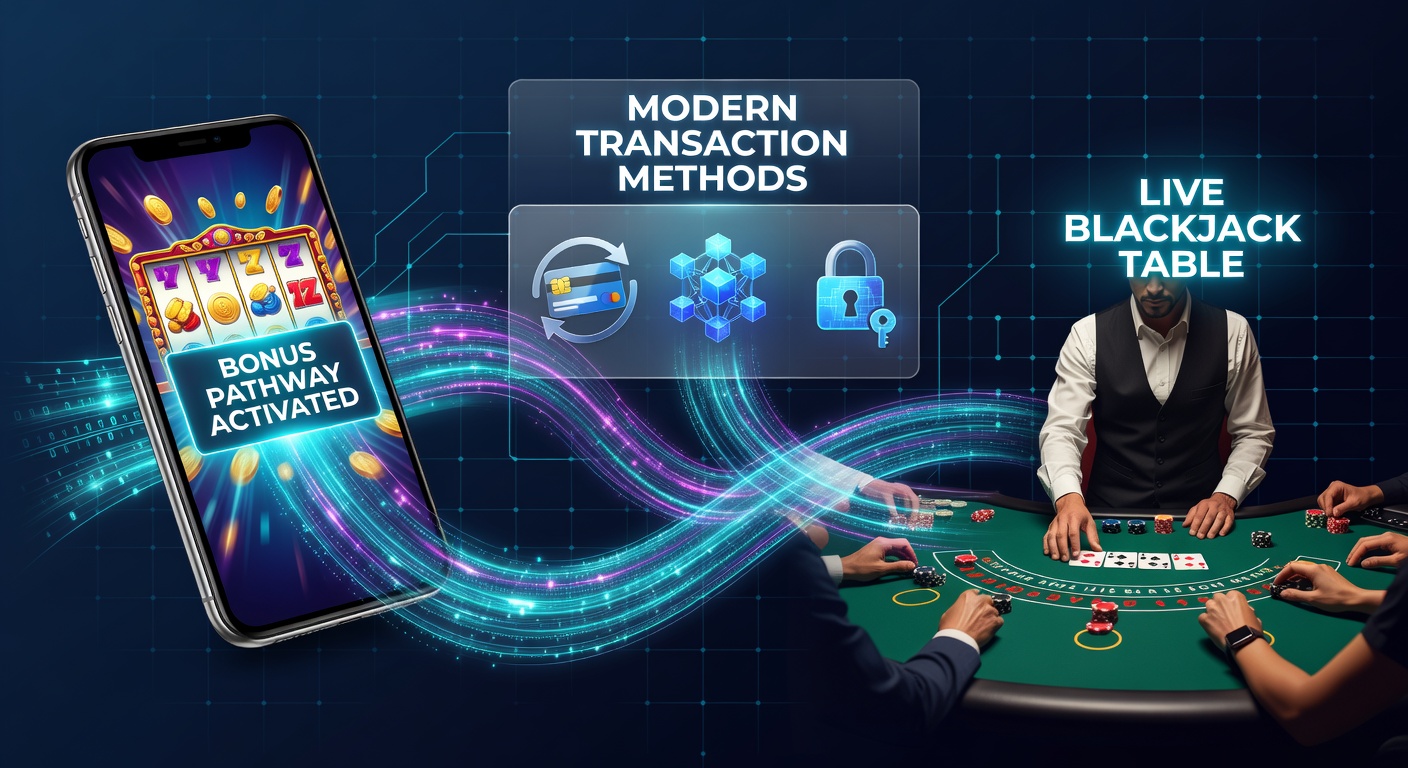
Modern casino ecosystems rely on integrated payment infrastructures that allow players to move between mobile slot machines and live blackjack tables while carrying forward promotional balances and accumulated rewards. These pathways depend on unified wallet systems, instant transfer protocols, and cross-game bonus tracking mechanisms that synchronize activity across different game categories without requiring separate funding steps.
Initiation of Bonuses in Mobile Slot Environments
Operators structure initial promotions around mobile slot play because these games generate high engagement volumes and straightforward tracking through reel-based mechanics. A player activates a welcome offer or reload bonus via a mobile app, and the credited amount appears in a shared account balance that interfaces with multiple game servers. Data from industry reports shows that slot-specific bonuses often include wagering requirements tied to spin volume, yet the underlying funds remain accessible for table games once minimum thresholds are met or when operators permit mixed-game contributions.
Payment processors facilitate the entry point through methods such as digital wallets and real-time bank links. These tools deposit funds directly into the player account, triggering bonus eligibility without delays that once interrupted sessions. Observers note that integration between mobile interfaces and backend accounting systems ensures the bonus metadata travels with the balance, allowing later verification when the same account accesses live dealer sections.
Transaction Layers Enabling Cross-Game Movement
Contemporary transaction methods reduce friction by employing application programming interfaces that connect slot platforms, table game servers, adn financial gateways in a single flow. When a player completes a series of spins and decides to switch to blackjack, the system checks remaining bonus value against playthrough rules and adjusts the transferable amount accordingly. This process occurs in seconds rather than minutes because modern processors handle micro-transfers between internal ledgers before any external settlement takes place.
Studies conducted by research institutions indicate rising adoption of token-based or cryptocurrency options in certain markets, which add an extra traceability layer through blockchain records. These records document each bonus allocation and subsequent use, satisfying audit requirements while giving operators visibility into how rewards migrate from slots to blackjack. In May 2026, several international gaming associations published findings on standardized API frameworks that further streamline such transitions across regulated platforms.
Role of Digital Wallets and Instant Transfers
Digital wallet providers supply the connective tissue by maintaining persistent player profiles that span multiple casino verticals. A deposit made through an e-wallet on a mobile device funds the slot session and simultaneously registers the transaction identifier that later validates bonus eligibility at the blackjack table. This continuity eliminates the need for players to initiate new deposits when moving between game types.
- Real-time authorization checks prevent bonus misuse during transitions.
- Multi-currency support accommodates international players switching between regional platforms.
- Security protocols encrypt both the financial data and the promotional flags attached to each balance.
Industry organizations tracking payment trends report that instant bank transfer services have expanded their casino integrations, cutting processing times to under ten seconds in many cases. Such speed supports uninterrupted play sequences where a player might finish a slot bonus round and immediately join a live blackjack stream using the same credited funds.
Regulatory Context Shaping Bonus Pathways
Government agencies in North America and Europe enforce rules that require clear disclosure of how bonuses apply across game categories. Operators must configure their systems to distinguish between contributions from slots and table games toward wagering targets, yet the underlying transaction rails remain unified for player convenience. Compliance teams audit these configurations regularly to confirm that bonus pathways do not inadvertently violate cross-border or self-exclusion protocols.
Research papers from academic centers examining digital gambling highlight how modular payment architectures help operators adapt to varying jurisdictional demands without rebuilding entire bonus engines. One documented approach involves tagging each promotional credit with metadata that travels through the payment processor, enabling automatic restriction or allowance based on the destination game type.
Practical Flow from Slots to Blackjack Tables
Consider a typical sequence: a player deposits via a mobile-optimized instant transfer service, claims a slot-focused bonus, completes the required spins, and then navigates to the live dealer lobby. The platform's accounting layer evaluates the bonus status in real time and either carries the remaining value forward or converts it into standard play credits for blackjack. Live tables accept the adjusted balance without requiring additional verification steps because the transaction history already resides in the shared wallet.
What's interesting is how these mechanics rely on continuous synchronization between front-end mobile applications and backend game servers. Any interruption in that link would force players to cash out and redeposit, yet current infrastructure minimizes such events through redundant connections and failover protocols.
Future Developments in Integrated Gaming Finance
Payment technology continues to evolve with emphasis on interoperability standards that could further unify bonus handling across mobile slots and live table environments. Trade groups have begun pilot programs testing unified loyalty currencies that accrue regardless of game type and redeem directly at either vertical. These experiments build on existing transaction methods while adding new layers of player account intelligence.
According to data compiled by the American Gaming Association, mobile gaming now accounts for a substantial share of total online playtime, driving demand for seamless reward movement between game formats. Parallel reports from Australian regulatory bodies emphasize the importance of transparent audit trails that document every bonus transfer, reinforcing trust in the overall system.
Conclusion
The infrastructure supporting bonus movement from mobile slots to live blackjack tables rests on coordinated payment processors, unified wallets, and regulatory-compliant tracking systems. These elements combine to create pathways that feel continuous to players while maintaining the necessary separation of game contributions for compliance purposes. As transaction speeds increase and integration standards mature, the technical foundation for such cross-game reward flows will likely expand without altering core regulatory expectations around transparency and player protection.