Electronic Pathways in Gaming: Linking Virtual Tables to Automated Reels via Fund Transfers
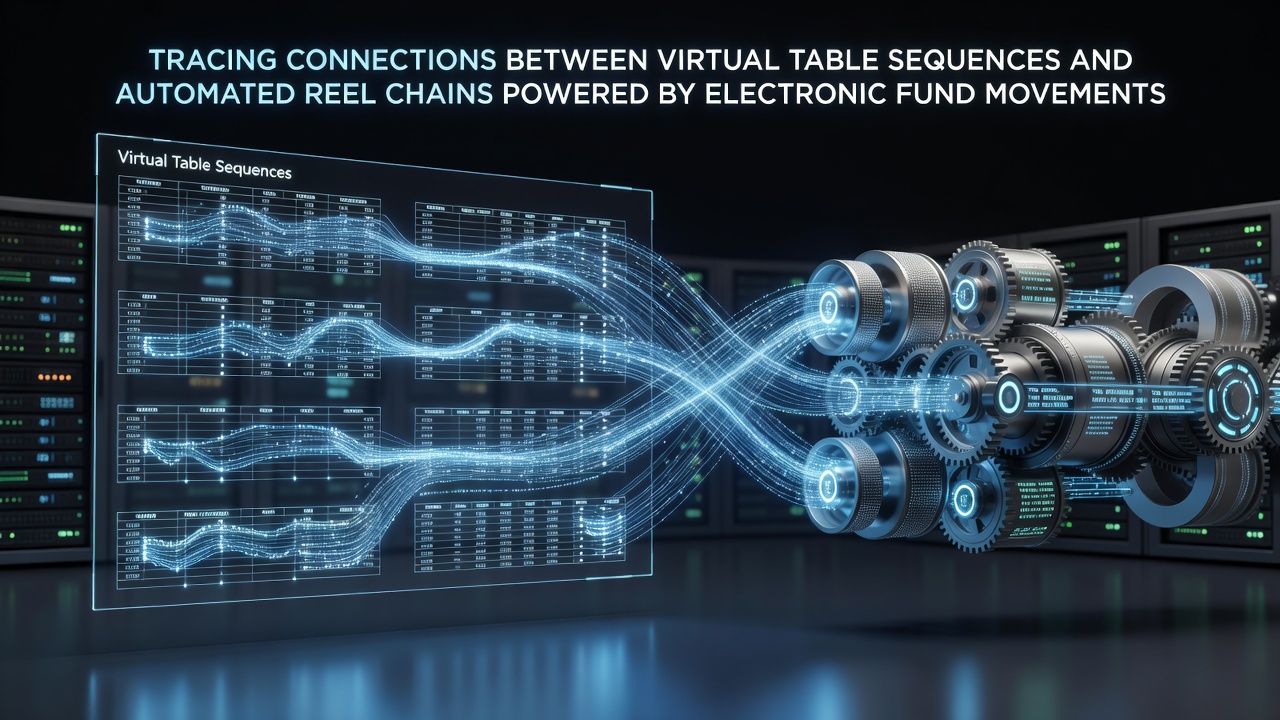
Virtual table sequences in online gaming environments rely on random number generators that determine card draws, wheel outcomes, and betting resolutions in real time, while automated reel chains operate through similar algorithmic processes that align symbols across multiple paylines during each spin cycle. Electronic fund movements serve as the operational bridge between these systems, enabling instant balance updates that carry over from one game type to another without manual intervention. Data from regulatory filings shows these integrations have expanded significantly since the early 2020s as platforms adopted unified wallet architectures.
Virtual Table Sequence Mechanics
Table game sequences follow strict procedural flows where each action triggers a new seed from certified RNG modules, producing results for blackjack hands, roulette spins, or poker dealings. These sequences maintain audit trails that record every electronic transfer tied to wager placement and payout distribution. Observers note that platforms synchronize these logs with centralized payment processors so that funds deducted for a table bet immediately adjust available balances across connected slot interfaces. Research from the University of Nevada's gaming technology studies indicates that latency in these sequences averages under 200 milliseconds when fund movement protocols use encrypted API calls.
Automated Reel Chain Operations
Reel chains function through layered algorithms that govern symbol positioning, bonus trigger probabilities, and cascade mechanics across successive spins. Each reel rotation pulls from the same RNG pool used in table games on integrated systems, creating statistical consistency across game categories. Electronic fund movements update credit meters after every chain completion, allowing winnings from one automated sequence to fund entries into virtual table environments without separate deposits. Figures from the Nevada Gaming Control Board reveal that multi-game platforms processed over 14 billion automated reel transactions in the 2025 fiscal year, with 62 percent involving cross-game balance transfers.
Fund Movement Integration Points
Electronic transfers occur at specific junctions: wager authorization, result settlement, and bonus conversion stages. When a player initiates a table sequence, the system verifies available funds through real-time queries to the payment ledger, then locks the amount until the sequence resolves. Automated reel chains follow parallel verification steps, yet share the same ledger so that a completed reel payout can immediately appear as playable credit in a virtual table session. This shared infrastructure reduces reconciliation errors, according to reports issued by the Australian Communications and Media Authority on digital gambling infrastructure.

Platform developers have implemented token-based systems that represent fund units across both game types, ensuring that sequence outcomes in tables directly influence reel credit pools. In June 2026 several major operators rolled out enhanced ledger protocols that batch multiple small transfers into single encrypted packets, cutting processing overhead by 18 percent compared with prior methods. Those who've examined transaction logs find that these batches preserve full auditability while accelerating the handoff between table resolutions and reel activations.
Regulatory and Technical Standards
Certification bodies require that RNG outputs for tables and reels remain independent even when fund ledgers connect them. Standards from the International Association of Gaming Regulators specify testing intervals for cross-system fund integrity, mandating that any transfer between game types undergoes duplicate verification. Data compiled by the Ontario Lottery and Gaming Corporation shows compliance rates above 99.4 percent for integrated platforms during 2025 audits, with most discrepancies traced to legacy payment gateways rather than core sequence logic.
Developers address these requirements by isolating RNG seeds while unifying only the financial layer, allowing statistical independence alongside operational linkage. Electronic fund movements therefore function as neutral conduits rather than influencing probability calculations themselves. Case studies from European testing laboratories document how this separation maintains fairness metrics even during high-volume transfer periods.
Future Protocol Developments
Engineers continue refining ledger architectures to support higher transaction volumes as player bases grow across regions. Protocols under development aim to embed micro-transaction confirmations directly into sequence completion events, further tightening the connection between table resolutions and reel chain credits. Industry reports from research institutions such as the Gambling Research Exchange Ontario project that unified fund systems will handle an additional 40 percent of cross-game activity by 2028 without requiring separate user actions.
Conclusion
The operational links between virtual table sequences and automated reel chains rest entirely on electronic fund movement frameworks that update balances in real time while preserving independent RNG integrity. Regulatory data and technical standards confirm these connections operate through verified ledgers that support both game categories without altering outcome probabilities. Continued protocol improvements focus on speed and auditability, maintaining the factual separation between financial processing and game logic across platforms.