Digital Wallets Reshaping Prize Flows Between Mobile Reel Machines and Live Dealer Tables
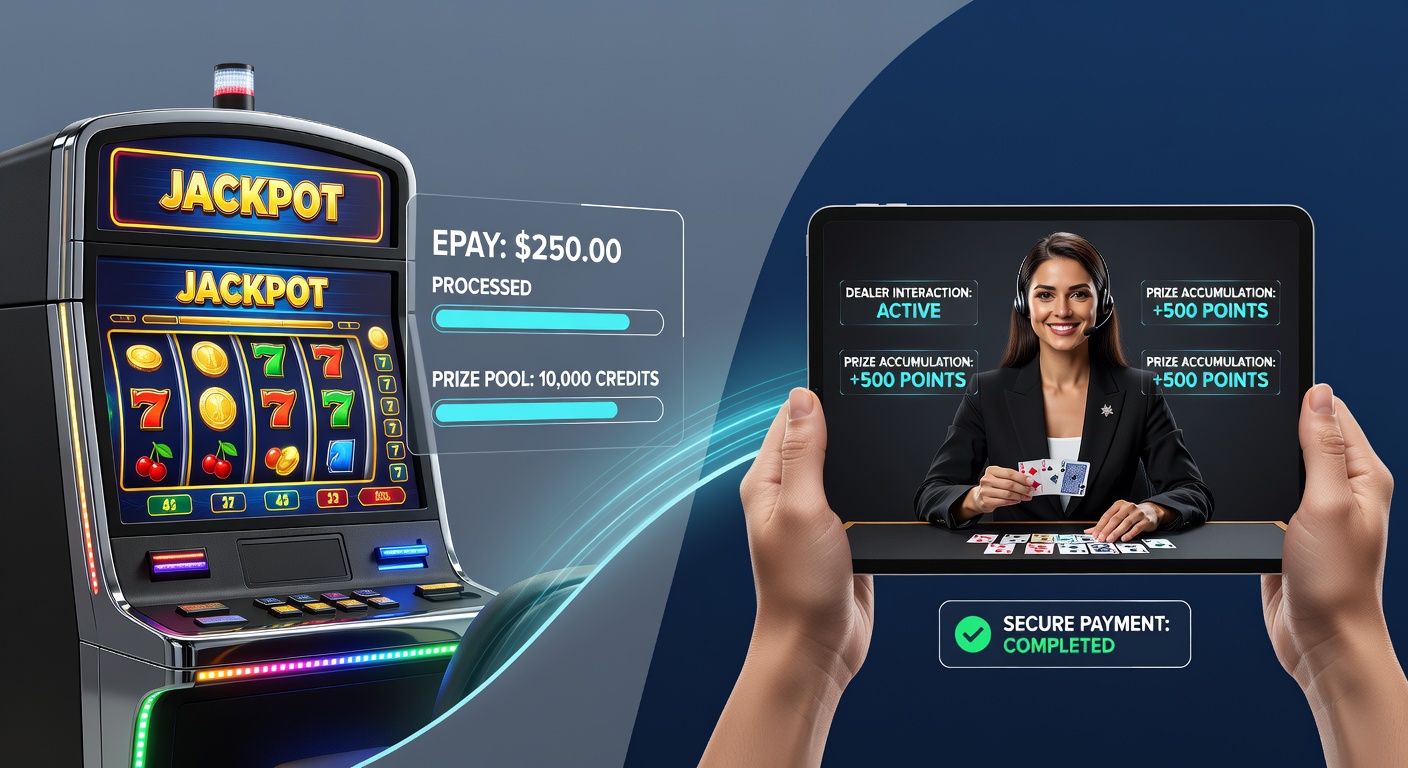
Electronic payment systems now link automated reel games directly to interactive dealer experiences on handheld devices through instant transaction networks that move funds and track accumulated prizes in real time. These networks handle everything from initial deposits to bonus releases and final cashouts while players switch between formats without interruption.
Payment Infrastructure Behind Cross-Format Prize Tracking
Modern digital wallets integrate with gaming platforms so that wins from reel spins feed straight into live table sessions on the same mobile account. Transaction logs record each step, which lets operators apply progressive multipliers or shared jackpots across game types once the payment gateway confirms the balance update. Observers note that processing speeds under three seconds have become standard in many markets by mid-2026, allowing seamless movement between automated reels and dealer tables without reloading screens or re-entering details.
Data from the Nevada Gaming Control Board shows rising volumes of intra-session transfers on mobile devices, with average transaction sizes increasing as players chain smaller reel wins into larger live dealer bets. The same infrastructure supports instant verification of self-imposed limits, which regulatory frameworks in multiple jurisdictions require to remain active across both reel and table environments.
From Spins to Dealer Interactions: How Funds Move
Automated reel games generate frequent small payouts that wallets capture and hold until the player selects a live dealer table. Once chosen, the payment processor releases the accumulated amount to the new game balance, often within the same encrypted session. This process relies on API connections between slot engines and live streaming platforms, which update prize meters automatically when the transfer completes.
Security Protocols Supporting Continuous Play
Tokenization and multi-factor authentication protect each transfer, while biometric checks on handheld devices add an extra layer during high-value moves. Researchers at the University of Nevada, Reno documented that platforms using these layered protocols experience fewer interrupted sessions, because players stay logged in across game switches rather than logging out for security resets. The result appears in session data where average play duration rises when payment friction drops.
Regional Developments Observed in June 2026
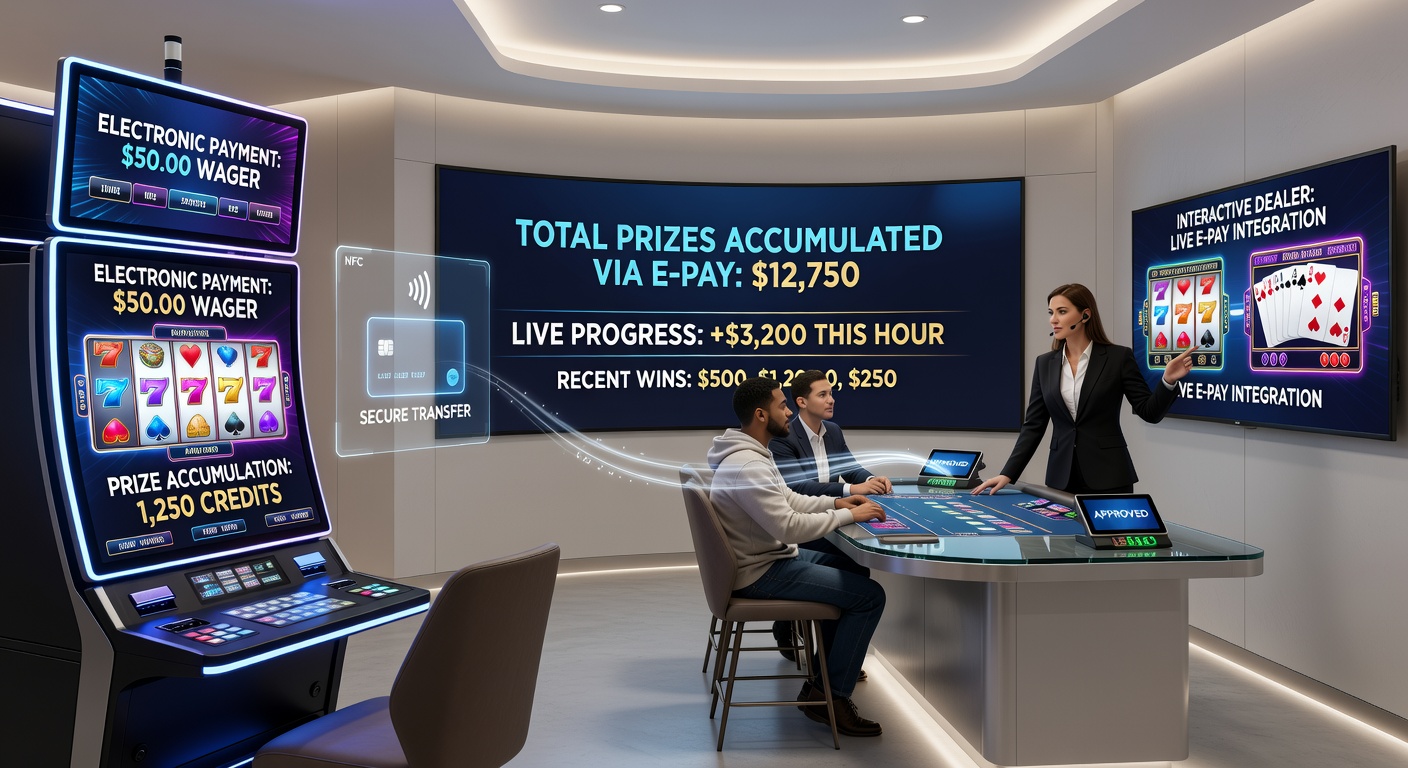
European operators expanded support for open banking transfers that bypass traditional card networks, letting players move prize money from reel wins straight into live blackjack or roulette tables on the same app. Australian regulators published updated technical standards requiring real-time reporting of cross-format transfers, which forces payment providers to maintain detailed audit trails. These changes coincide with growth in handheld device usage, where screen real estate limits how much information players see at once, making automatic balance syncing more valuable.
Industry reports indicate that markets adopting these standards record higher retention rates across mixed game libraries, because the payment layer removes the need to cash out and redeposit when shifting from reels to dealer tables. One study released by the American Gaming Association highlighted similar patterns in North American mobile markets, where integrated wallets now handle over 60 percent of session-to-session movements.
Accumulation Mechanics Across Game Types
Progressive prize pools sometimes draw contributions from both reel spins and live dealer wagers when the payment system tags each transaction with a shared identifier. This tagging lets operators calculate contributions accurately even as players move between formats on a single device. The mechanism depends on low-latency connections that update pool totals every few milliseconds, preventing discrepancies during rapid switches.
Operators in several jurisdictions now publish monthly figures on these pooled contributions, revealing that mobile sessions contribute a growing share compared with desktop play. The figures reveal consistent patterns where smaller, frequent reel wins feed into larger live dealer bets once the wallet balance clears the transfer.
Conclusion
Electronic payment networks continue to define how prizes move from automated reel games into interactive dealer experiences on handheld formats. Faster processing, stronger security layers, and regulatory reporting requirements together shape the pathways that let accumulated wins travel across game types without manual intervention. As device capabilities and transaction standards evolve, these networks remain the central mechanism connecting different styles of play within single mobile sessions.